Any surgical or invasive procedure carries risks. Before proceeding, you should seek a second opinion from an appropriately qualified health practitioner.
Tooth Extractions · Joyner QLD
Tooth Extractions in Joyner When a Tooth Cannot Be Saved
You have likely been putting this off. When you are ready, the team at Joyner Family Dental is here — calm, precise, and practiced.


Any surgical or invasive procedure carries risks. Before proceeding, you should seek a second opinion from an appropriately qualified health practitioner.
If You Have Been Putting This Off
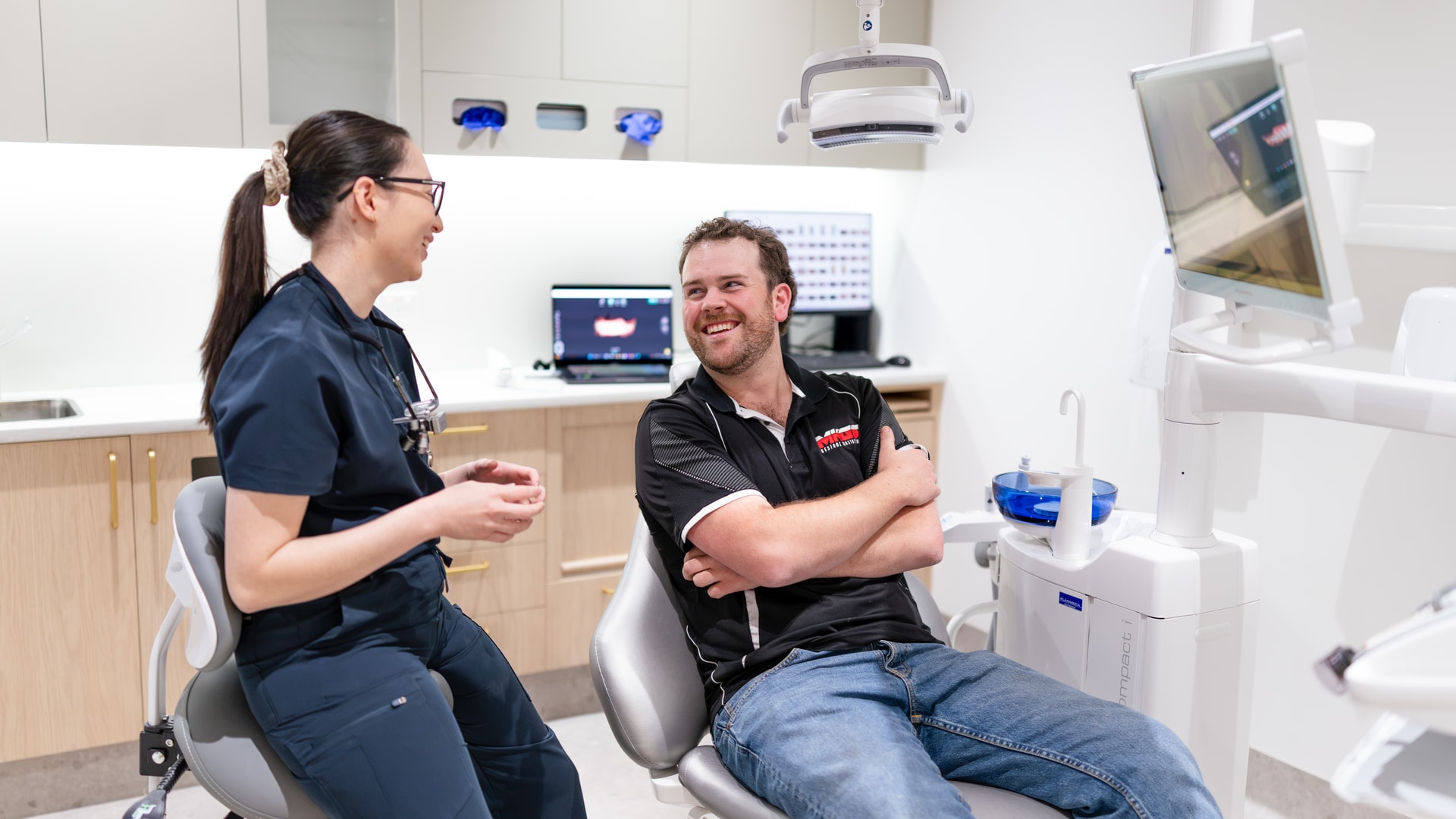
If you have been managing a troubled tooth for longer than feels comfortable, you are not alone in that delay. The anticipation of an extraction is almost always greater than the procedure itself — and this page gives you the specific information that makes the decision easier. At Joyner Family Dental, there is no judgment, only a clear picture of your options, your costs, and what recovery looks like before anything begins.
The decision to come in is often the hardest part.
Not All Extractions Are the Same
Knowing the difference between a simple and surgical extraction helps you understand your diagnosis — and what your appointment will involve.
Simple Extraction
A simple extraction removes a tooth that is visible above the gum line, with intact roots that can be loosened and removed in one piece using an elevator and forceps. Local anaesthetic is the only requirement.
- When needed
- Tooth is fully erupted, visible, and not broken at the gum line. Root structure is straightforward.
- Duration
- 20–40 minutes including anaesthetic onset time.
- Recovery
- Most patients are back to light activity by Day 2. Soft food for 48 hours is recommended.
Surgical Extraction
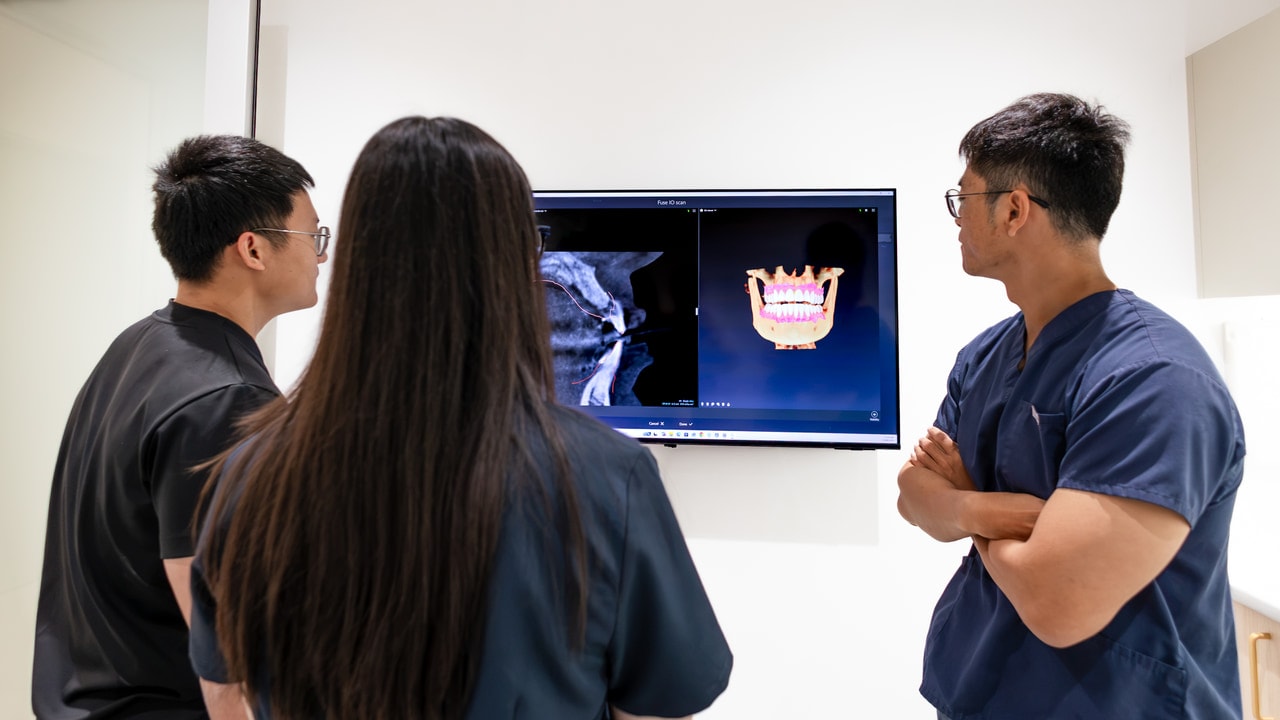
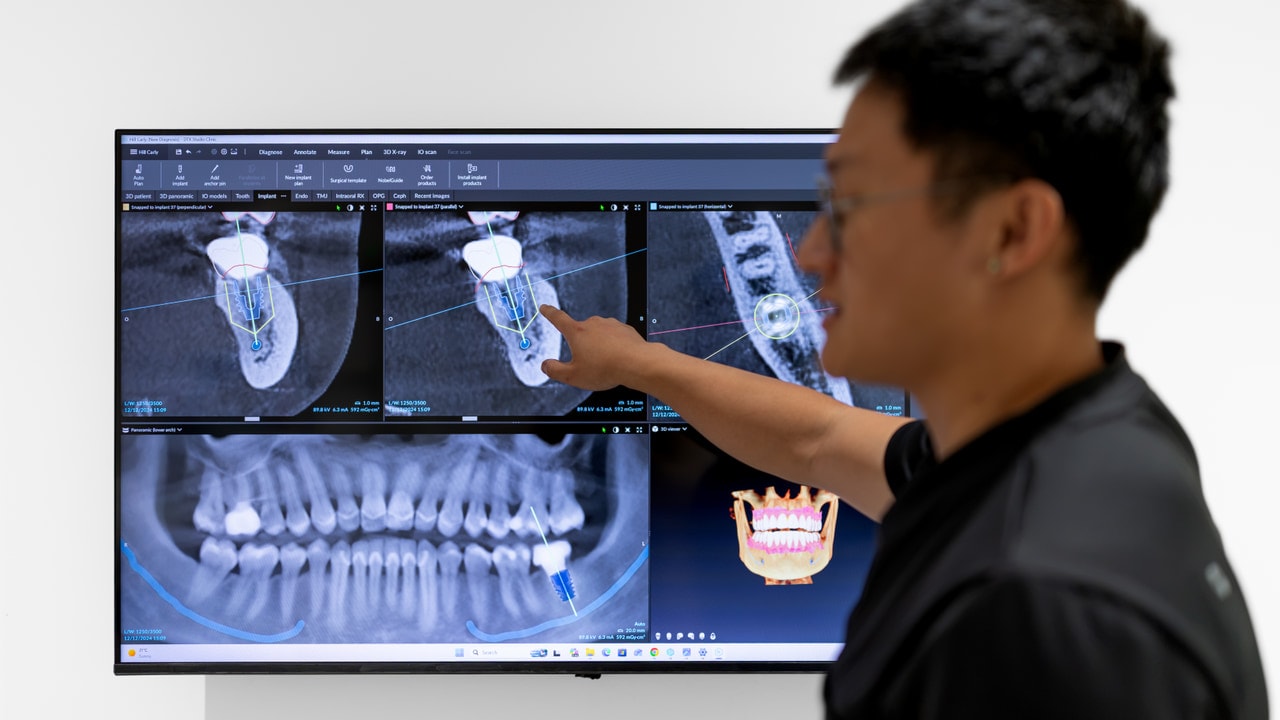
A surgical extraction is required when a tooth is impacted, has broken below the gum line, or has root structure too complex for simple removal. It may involve a small incision, sectioning the tooth, or removing a small amount of surrounding bone.
- When needed
- Tooth is impacted, fractured, multi-rooted, or has curved or fused roots that cannot be removed intact.
- Duration
- 45–90 minutes depending on root complexity and position.
- Recovery
- Swelling typically peaks Day 1–2 and resolves within 5–7 days. Dissolving sutures may be placed.
What Happens at Every Step
This section names the sounds and sensations you will experience — because knowing what is coming is the most effective preparation.
You Know What You Are In For. That Changes Things.
Most patients who research their extraction in advance tell us the appointment surprised them — not because it went wrong, but because it was far less remarkable than they had built it up to be. If you are not quite ready to book, call us first. There is no script and no pressure.
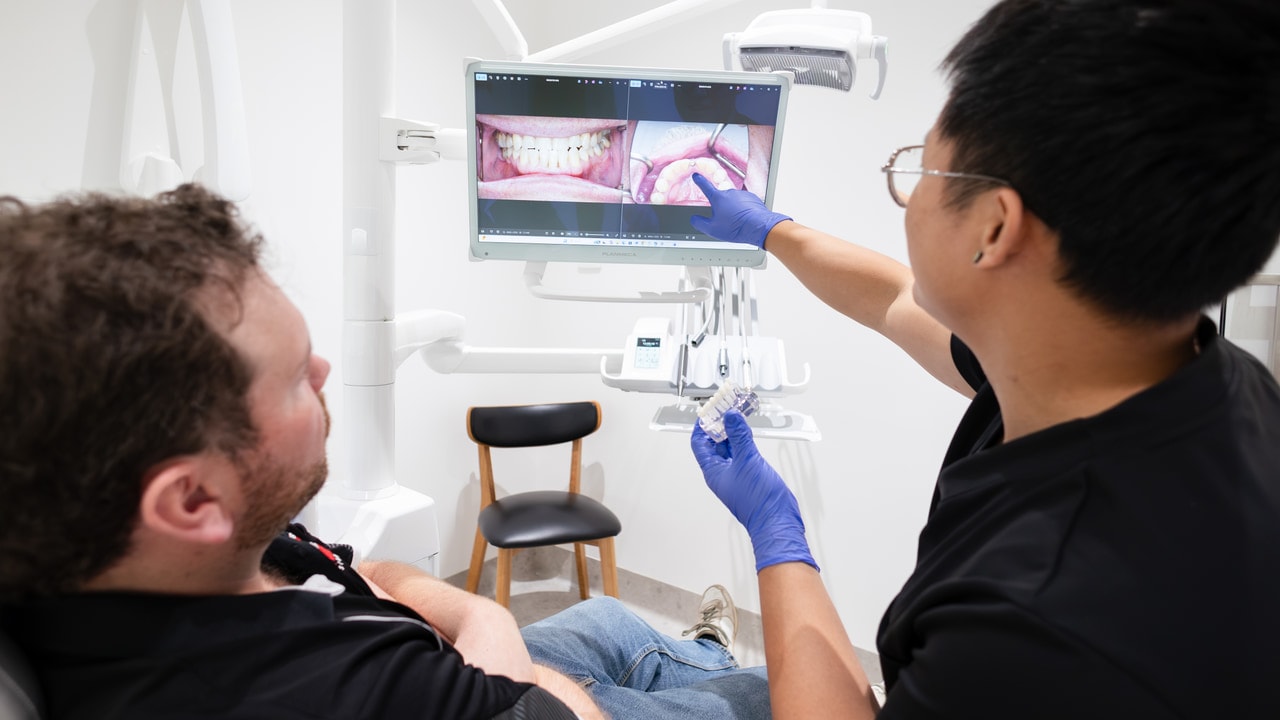
Tooth extractions at Joyner Family Dental
An extraction done well does not feel remarkable. You feel pressure, then relief, then the quiet surprise that it is already over. That is what we are aiming for.
You Choose Your Comfort Level
Three sedation options are available for tooth extractions at Joyner Family Dental. Your dentist will discuss which suits your situation at your assessment appointment.
Local Anaesthetic
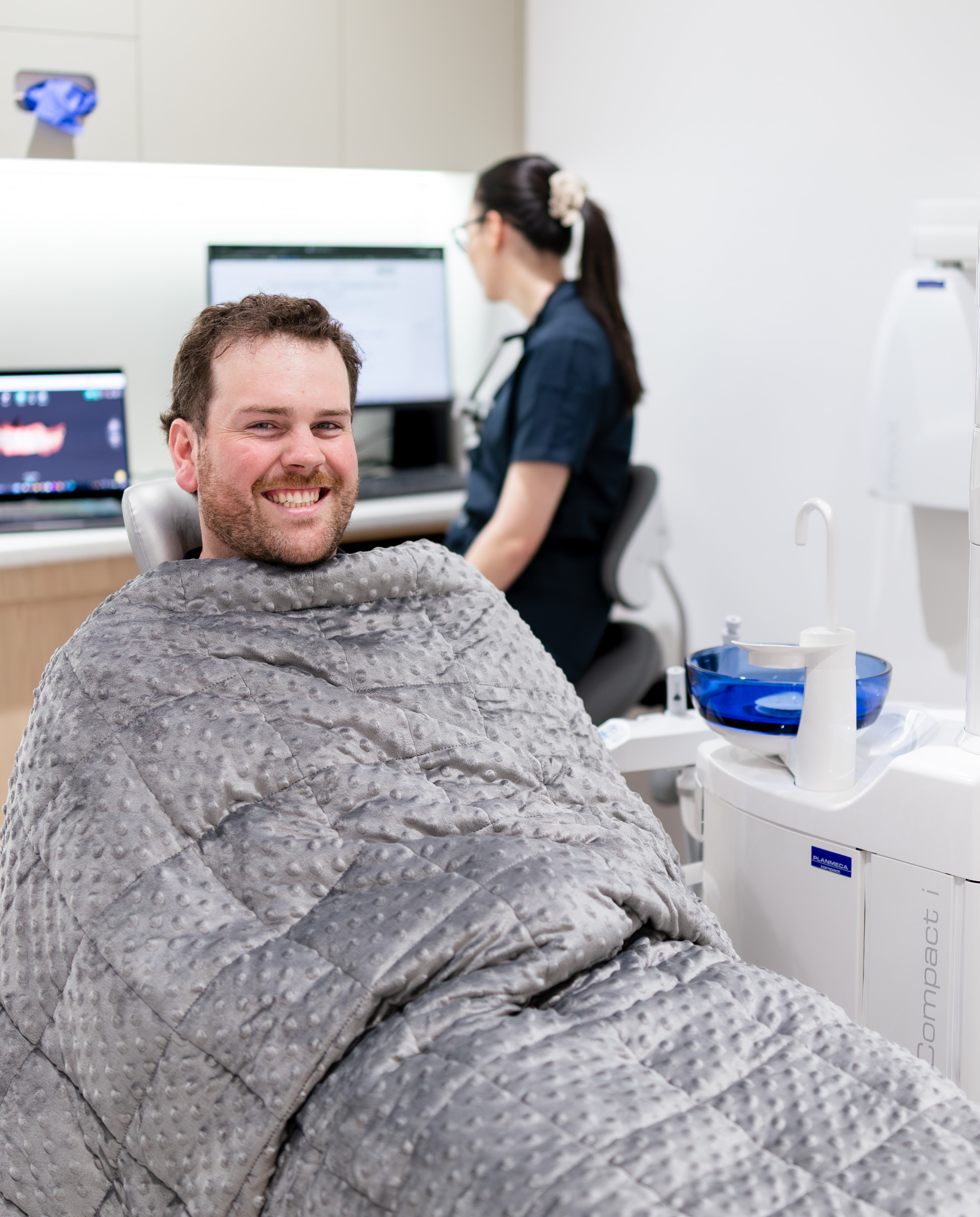
A numbing injection administered to the area around the tooth. You remain fully conscious throughout. You feel pressure and movement — not pain. This is the standard approach for all extractions.
Suits
Most patients. Recommended as the starting point for any extraction. Fully effective for the vast majority of people.
Cost
Included in the extraction fee.
Nitrous Oxide (Happy Gas)
A mild inhaled relaxant delivered through a small nose mask. You remain conscious and communicative throughout the appointment, but feel calmer and less aware of the procedure. The effect wears off within minutes of removing the mask.
Suits
Patients who experience mild-to-moderate dental anxiety, or who find the sounds and sensations of an extraction difficult. Many patients who have previously delayed treatment find this option manageable.
Cost
Additional fee. Discussed at consultation.
IV Sedation
A sedative administered intravenously, producing a deeper state of relaxation. You are not unconscious, but most patients have little memory of the appointment afterwards. Fasting beforehand and a driver home are required.
Suits
Patients with significant dental anxiety or phobia, or those undergoing multiple complex extractions in a single session. A prior consultation is required to assess suitability.
Cost
Additional fee. Written quote provided at consultation.
What a Tooth Extraction Costs in Brisbane
Indicative price ranges for your reference. The final cost depends on two factors: the position of the tooth and the complexity of the root structure. Your dentist will confirm the exact fee at your assessment appointment — in writing, before treatment begins.
All fees are per tooth. Written quotes provided at consultation. Sedation options are quoted separately where applicable. Individual clinical circumstances affect the final fee.
CDBS: Children eligible for the Child Dental Benefits Schedule (CDBS) may access up to $1,158 in benefits over a two-year period. Eligibility is determined by Medicare. Your practice can confirm at the time of booking.
What Recovery Actually Looks Like
A day-by-day guide — because 'follow your dentist's advice' tells you nothing about whether what you are feeling on Day 2 is normal.
Gauze, Rest, Cold Pack
Bleeding is normal and expected. The gauze controls it — bite firmly for 30–45 minutes. The anaesthetic will wear off over 2–3 hours; take any recommended pain relief before it does.
Do
- Bite firmly on the gauze provided
- Apply a cold pack to the outside of your face — 20 minutes on, 20 minutes off
- Rest with your head slightly elevated
- Take pain relief as directed before the anaesthetic fully wears off
Avoid
- Spitting, rinsing, or sucking through a straw — this dislodges the clot
- Eating until the numbness has worn off
- Smoking
- Strenuous activity
Swelling Begins — This Is Normal
Swelling typically appears on Day 1 and peaks between Day 1 and Day 3. This is the immune response working. Some bruising of the gum or jaw is also normal. Most patients manage with over-the-counter ibuprofen and paracetamol alternated.
Do
- Eat soft foods: yoghurt, soup, smoothies (no straw), mashed potato, scrambled eggs
- Continue cold pack if helpful for swelling
- Take pain relief as needed — ibuprofen and paracetamol can be alternated
- Rest and keep the head elevated when lying down
Avoid
- Rinsing the mouth
- Straws, smoking, or anything creating suction
- Hard, crunchy, or very hot food
- Vigorous physical activity
The Uncomfortable Stage — It Passes
Days 2 and 3 are often the most uncomfortable, as swelling peaks and then begins to reduce. This is normal. Most patients manage with over-the-counter pain relief. Gentle warm salt-water rinses can begin from Day 2 — this aids healing and reduces bacteria in the socket.
Do
- Begin gentle salt-water rinses from Day 2: half a teaspoon of salt in a cup of warm water, gentle swirl only
- Continue soft foods
- Rest as much as your schedule allows
Avoid
- Probing the socket with your tongue
- Smoking — dry socket risk is highest in this window
- Alcohol
- Anything that creates suction
Most Discomfort Has Resolved
By Day 7, most patients report significant improvement. Swelling has largely resolved. If dissolving sutures were placed, they are softening and will dissolve over the following week. A follow-up check at this point confirms the socket is healing as expected.
Do
- Return for your follow-up appointment
- Resume a more varied diet — cautiously, avoiding the extraction side for harder foods
- Continue gentle rinses
Avoid
- Hard or crunchy foods directly on the extraction site
Back to Normal. Bone Healing Continues.
Most patients are eating and functioning normally by Week 2. The socket is visibly closed. Bone healing continues internally for 4–6 weeks after that — you will not feel it. If a replacement option is relevant to you (implant, bridge, or other), your dentist can discuss timing at your follow-up.
Do
- Resume normal diet
- Book a follow-up assessment to discuss tooth replacement options if applicable
Avoid
- Probing the healing site unnecessarily
Questions About Tooth Extractions
If a question is not answered here, it has likely been addressed in the sections above — that is by design.
General
Procedure
Recovery & Practical
Last reviewed: April 2026 · Joyner Family Dental
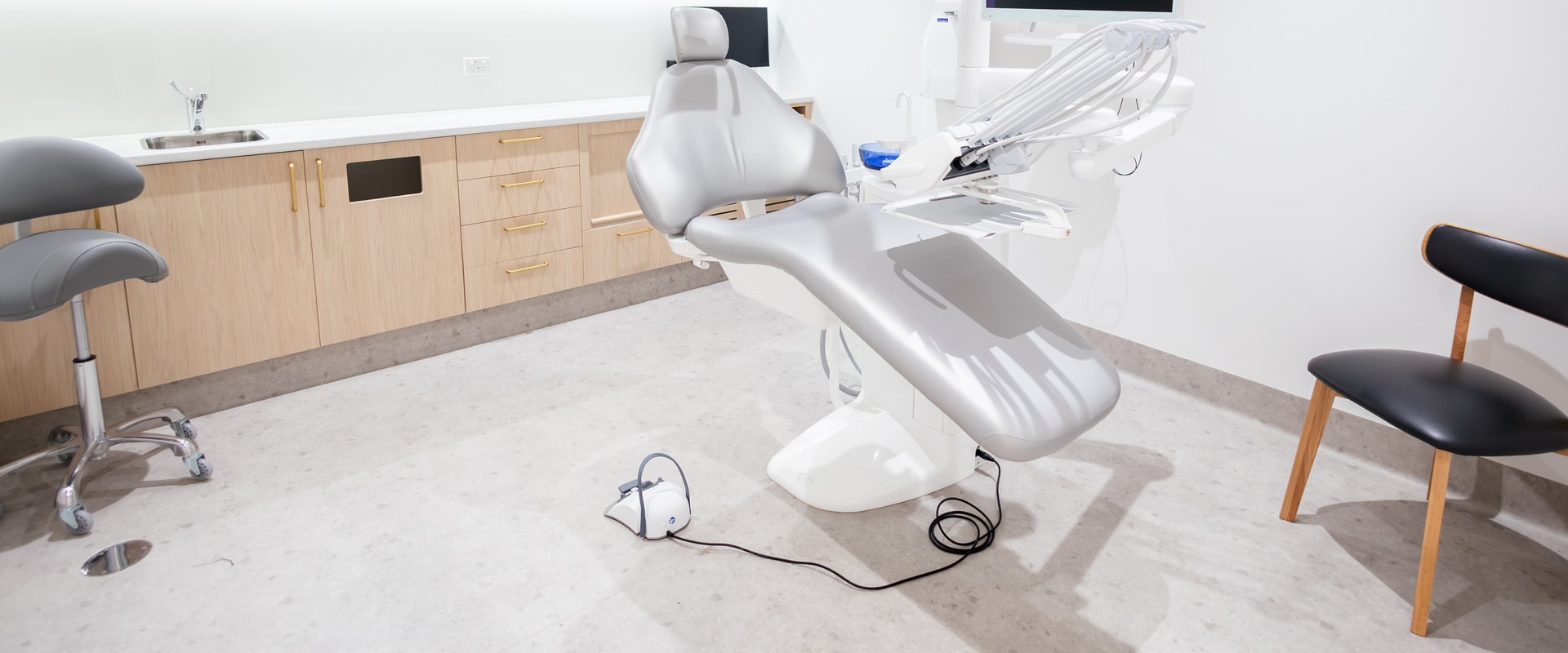
You Know What Happens. You Know What It Costs. When You Are Ready, We Are Ready.
If you have been managing an uncomfortable tooth and finding reasons to delay, this is the page that ends the delay. Your first appointment includes a written quote and a clear plan — nothing needs to happen that day unless you want it to.