


Cracked or fractured tooth
A crack that runs deeper than a filling can fix — a crown holds the tooth together and prevents further damage.
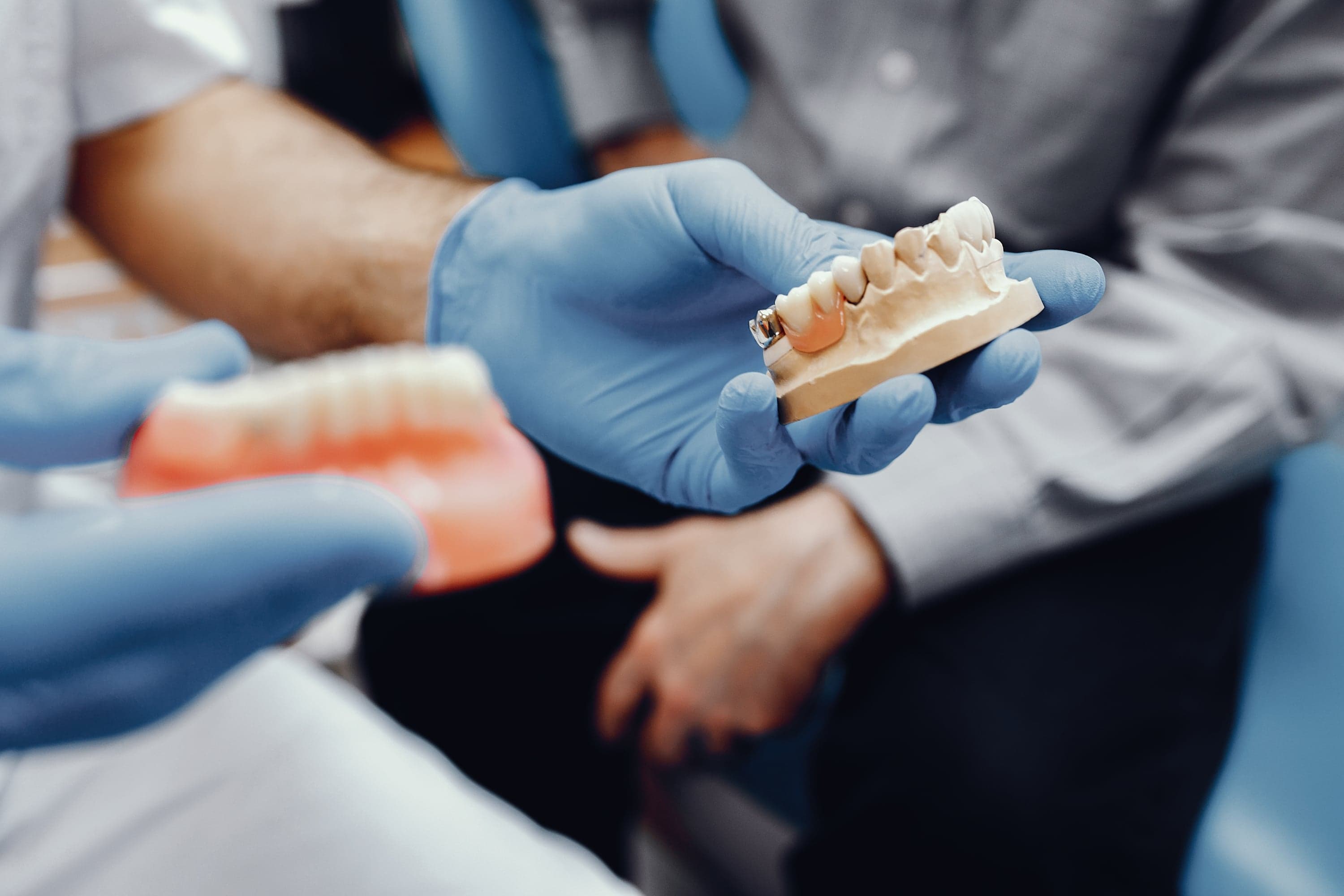
Crowns & Bridges
Restore damaged or missing teeth with precision-crafted restorations designed to look, feel, and function like the teeth you remember. Serving patients from Joyner, Strathpine, Bray Park, Warner, Cashmere, and across Brisbane's northside.
01 / Understanding crowns and bridges
A dental crown is a custom-made cap that fits over a damaged tooth, restoring its shape, strength, and appearance. Think of it as a protective shell — your natural tooth root stays in place, and the crown takes over the job of biting, chewing, and looking like the tooth it replaced. Your dentist uses a Trios digital scanner to capture the exact shape of your mouth, so the crown is milled to fit precisely — no guesswork, no gaps.
A crown protects what remains. A bridge replaces what is gone. Both restore your ability to eat, speak, and smile with confidence.
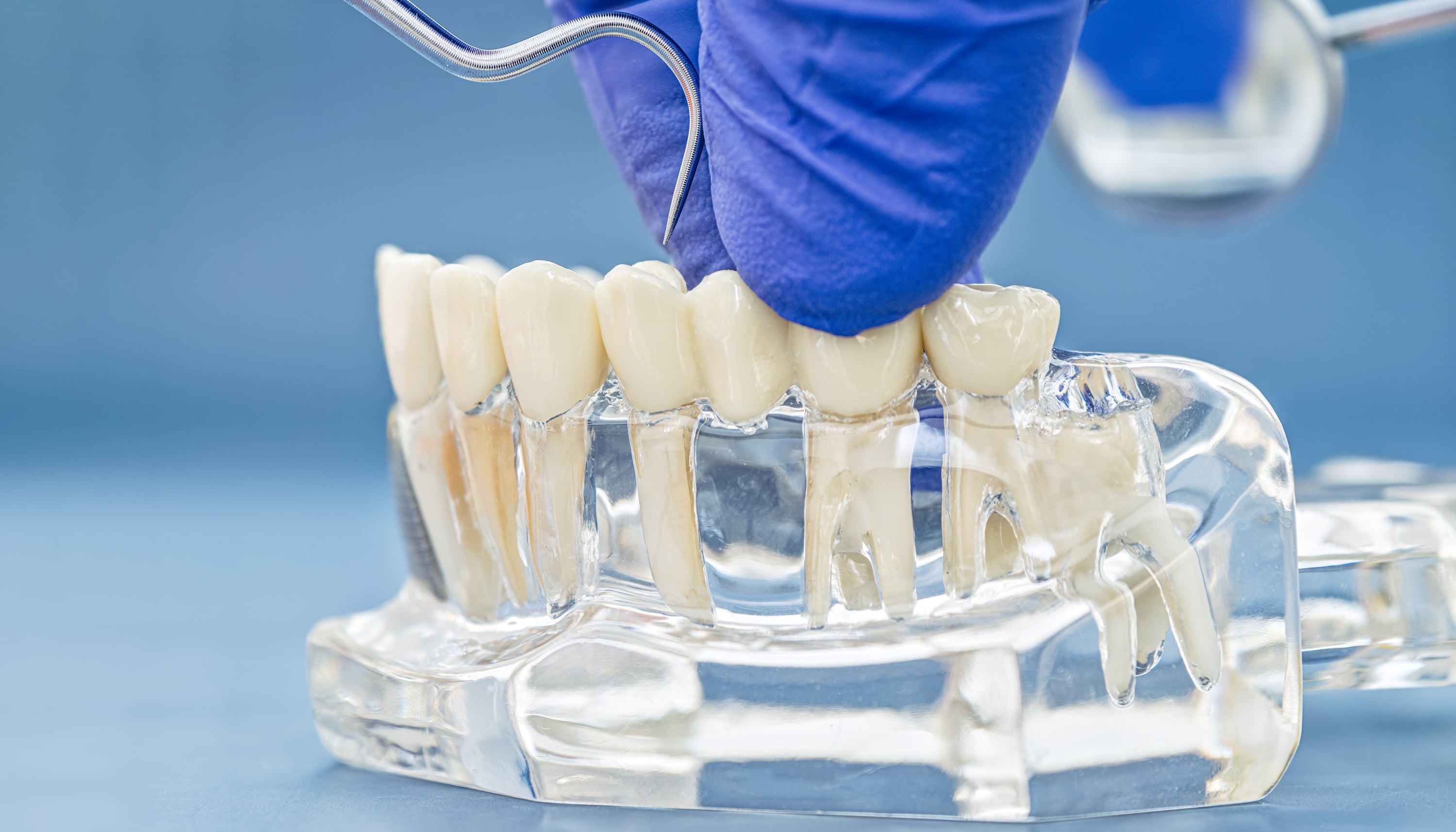
A dental bridge fills the space left by one or more missing teeth. It works by anchoring to the teeth on either side of the gap (called abutment teeth) and suspending a replacement tooth (or teeth) between them. The result is a fixed restoration you brush and floss around — it does not come out. For patients missing teeth in the Joyner area, a bridge can restore chewing function and prevent the surrounding teeth from drifting into the empty space over time.
Crowns are commonly placed after root canal treatment to protect the restored tooth. For patients missing one or more teeth, dental implants offer a long-term alternative to bridges. Speak to our dental team about which option suits your situation.
02 / When you might need one
A crown is typically indicated when a tooth is cracked, has a large failing filling, has had root canal treatment, or has worn down significantly — situations where a filling alone cannot restore adequate strength.
A crack that runs deeper than a filling can fix — a crown holds the tooth together and prevents further damage.
When an old filling takes up more tooth than what is left around it, a crown provides the structural support a replacement filling cannot.
A tooth that has had root canal treatment is more brittle. A crown protects it from splitting under normal biting forces.
Teeth that have worn down over years of grinding or clenching can be rebuilt with crowns to restore proper bite height and appearance.
A bridge spans the gap left by missing teeth, restoring your ability to chew evenly and preventing neighbouring teeth from shifting.
Severely discoloured or irregularly shaped teeth that veneers or bonding cannot address may benefit from full-coverage crowns.
03 / Crown materials
Crown materials at Joyner include porcelain (best aesthetics, 10–15 year lifespan), zirconia (highest ceramic strength, 15+ years), porcelain-fused-to-metal (proven clinical track record), and gold alloy (most conservative on opposing teeth, 20+ years).
Colour-matched to your natural teeth for a seamless result. Porcelain crowns are crafted to replicate the translucency and light reflection of natural enamel.
Combines the strength of metal with a tooth-coloured appearance. Zirconia is milled from a solid block, making it one of the most durable ceramic options available.
A metal core provides strength while a porcelain outer layer delivers a natural appearance. PFM crowns have a long clinical track record spanning decades.
Gold crowns are the most conservative option for the underlying tooth — they require less tooth removal and wear gently against opposing teeth over time.
Costs are indicative only and vary depending on clinical complexity, material choice, and laboratory fees. Your dentist will provide a written quote at your consultation.
04 / Bridge types
There are four bridge types: traditional (crowns on both adjacent teeth), cantilever (one adjacent tooth only), Maryland resin-bonded (minimal tooth prep, bonded to backs of neighbouring teeth), and implant-supported (no healthy adjacent teeth modified).
The most common type. Crowns are placed on the teeth either side of the gap, with a replacement tooth (pontic) suspended between them. Reliable and well-proven over decades of clinical use.
Suitable for: One or two missing teeth with healthy teeth on both sides of the gap
Anchored to just one neighbouring tooth instead of two. Used when there is only one healthy tooth next to the gap — typically for lower-force areas of the mouth.
Suitable for: A missing tooth with a healthy tooth on only one side
A conservative option that uses a metal or porcelain framework bonded to the back of the neighbouring teeth. Less tooth preparation is needed, which preserves more of the natural tooth structure.
Suitable for: Missing front teeth where minimal preparation of adjacent teeth is preferred
Supported by dental implants rather than natural teeth. Two or more implants anchor the bridge, so no healthy teeth need to be modified. This is the most stable option for larger gaps.
Suitable for: Three or more missing teeth in a row, or when adjacent teeth are not strong enough to support a traditional bridge
Any surgical or invasive procedure carries risks. Your dentist will discuss these with you before any treatment begins.
Restorative Dentistry
A thirty-minute consultation gives you the full picture — your dentist examines the tooth, explains your options, and gives you a written quote with no obligation to proceed on the day.
Most crown and bridge work takes two appointments spread over one to two weeks. Here is what to expect at each stage.
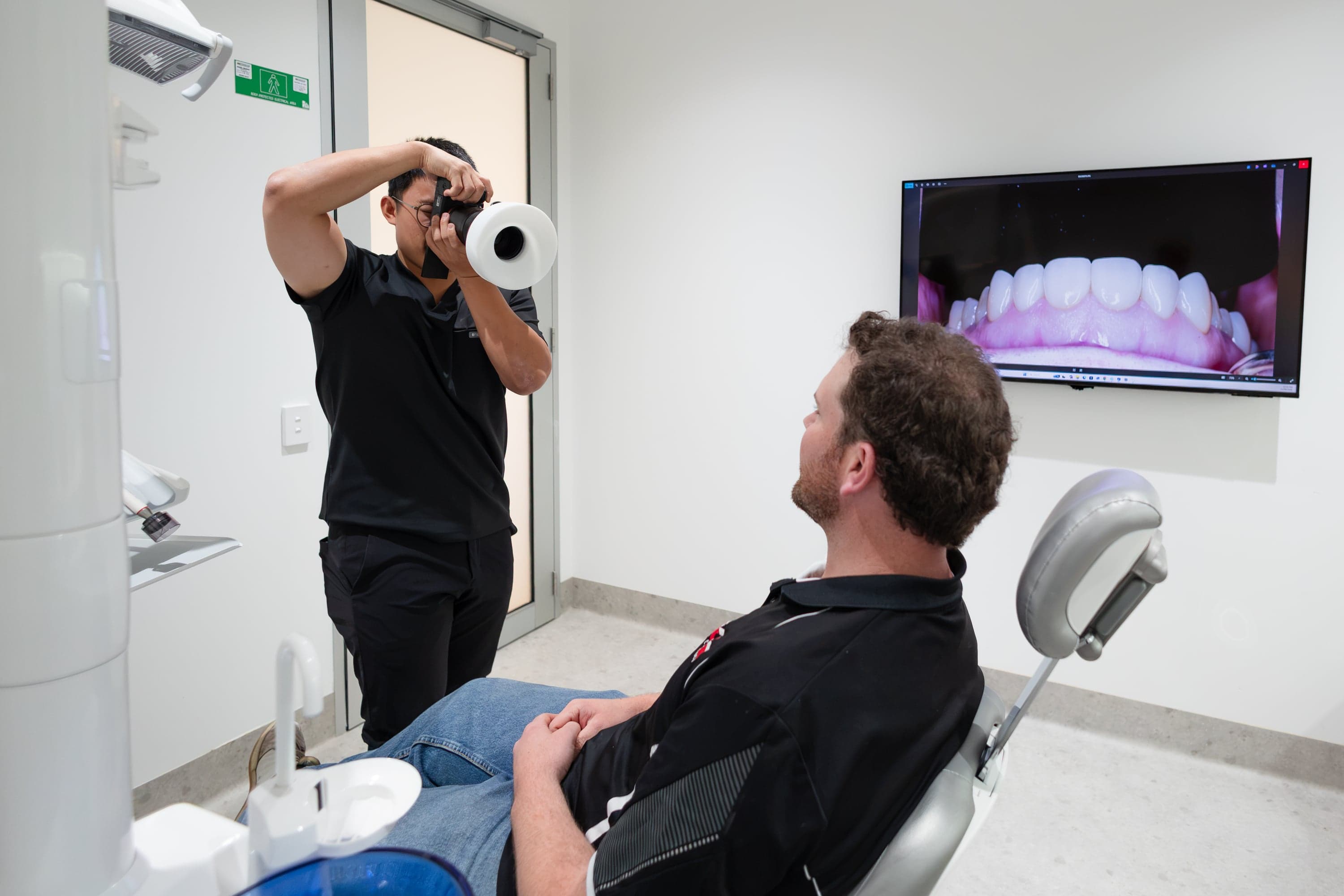
Your dentist examines the tooth, takes clinical photographs in the photography room, and captures a 3D scan with the Trios digital scanner. You will see the images together on screen and discuss whether a crown, bridge, or alternative approach makes sense for your situation. You leave with a written treatment plan and itemised costs — nothing is decided on the spot.
Your dentist examines the tooth, takes clinical photographs in the photography room, and captures a 3D scan with the Trios digital scanner. You will see the images together on screen and discuss whether a crown, bridge, or alternative approach makes sense for your situation. You leave with a written treatment plan and itemised costs — nothing is decided on the spot.
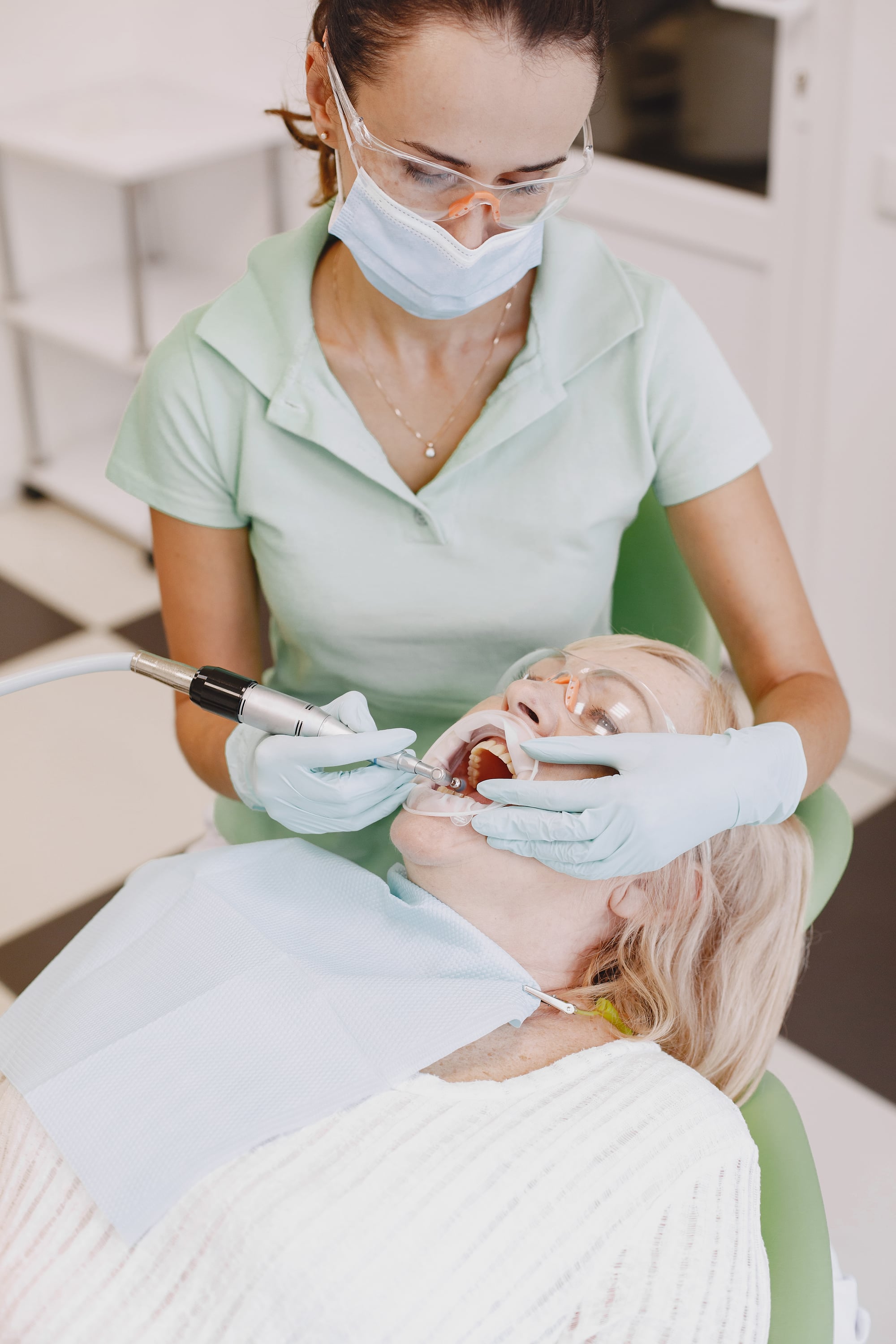
Your dentist reshapes the tooth under local anaesthetic to create space for the crown or bridge to sit over it. A digital impression is taken and sent to the laboratory. A temporary crown or bridge is fitted the same day — it protects the tooth and lets you eat and speak normally while the permanent restoration is being fabricated.
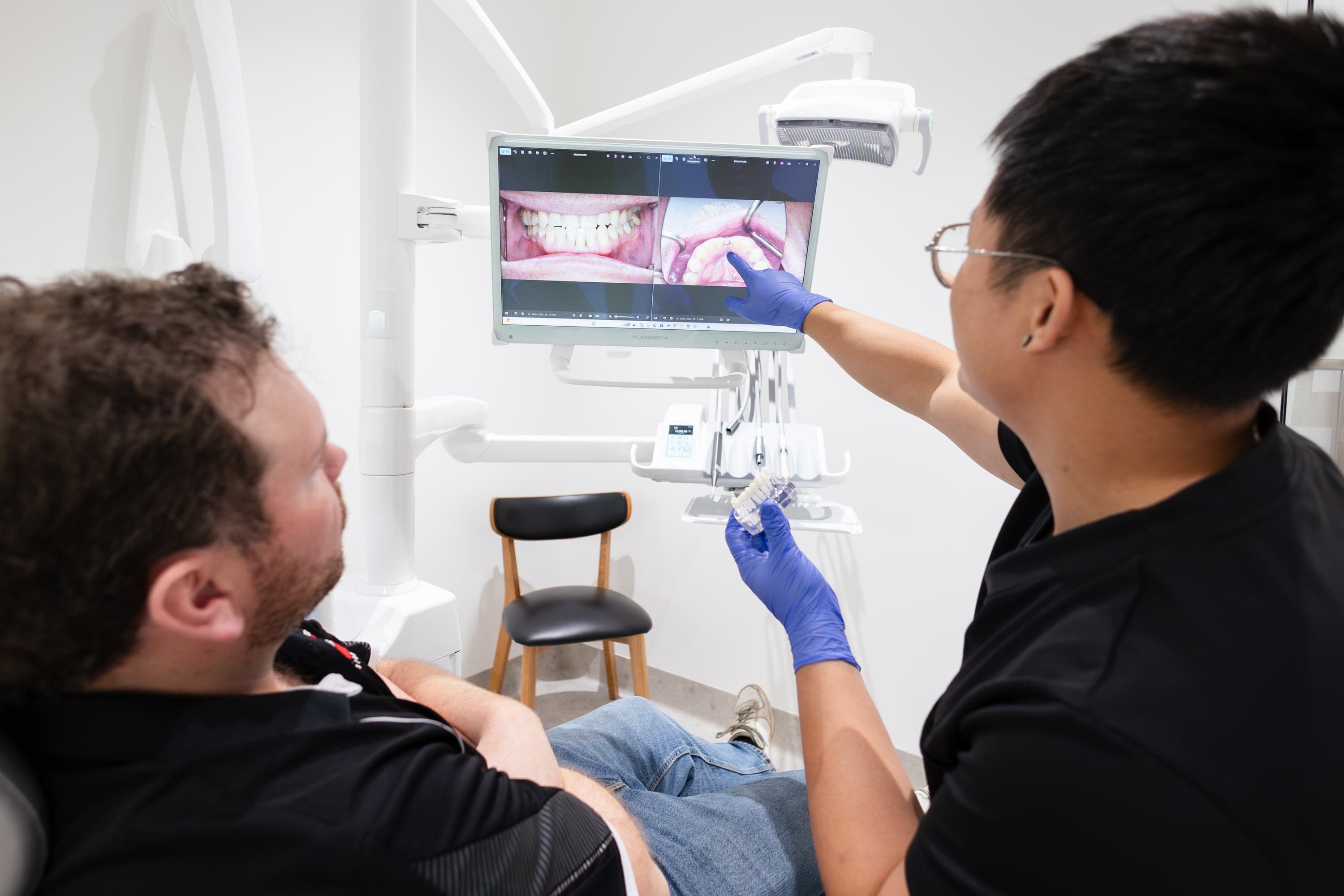
Your dentist reshapes the tooth under local anaesthetic to create space for the crown or bridge to sit over it. A digital impression is taken and sent to the laboratory. A temporary crown or bridge is fitted the same day — it protects the tooth and lets you eat and speak normally while the permanent restoration is being fabricated.
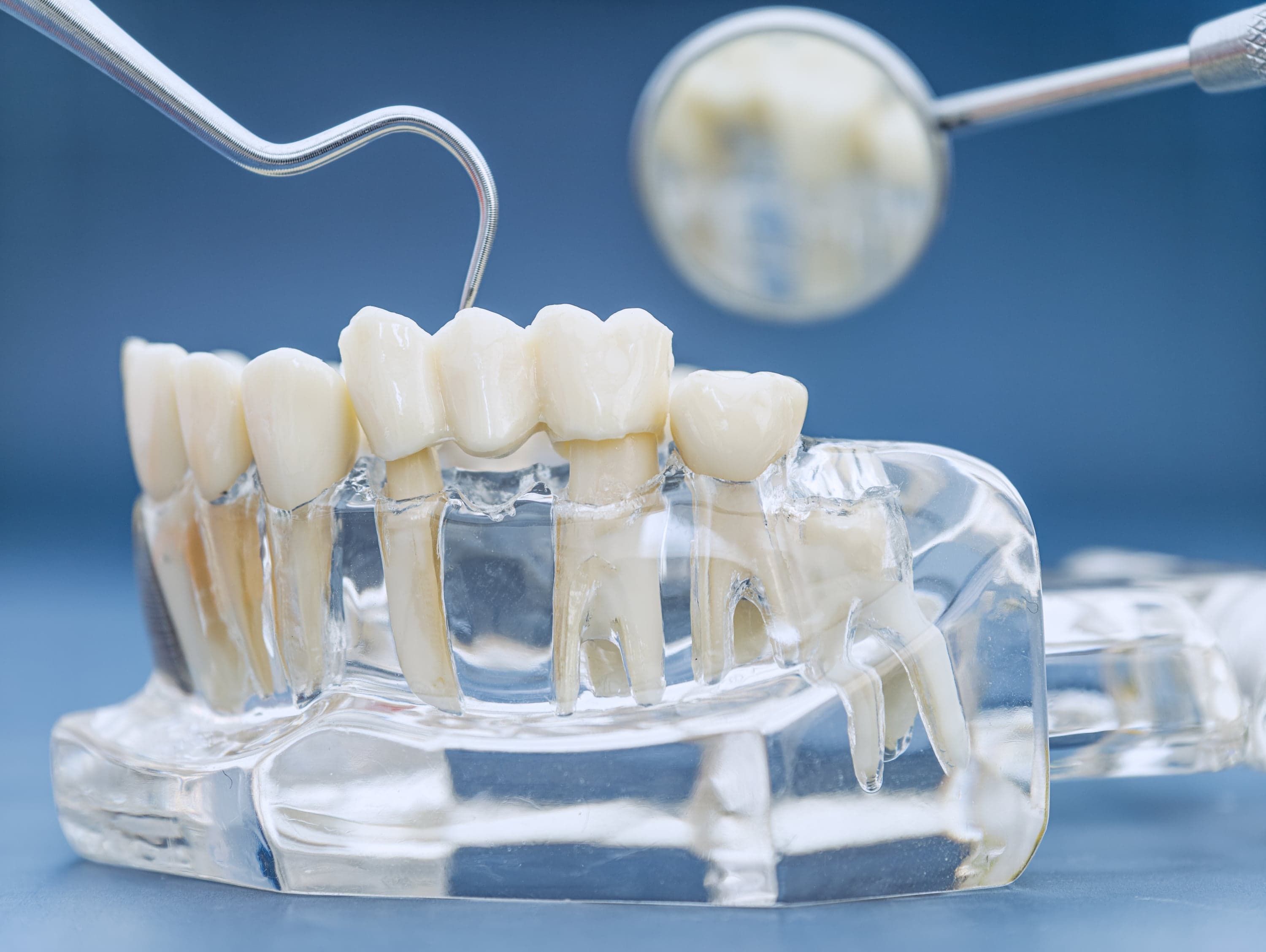
The dental laboratory handcrafts your crown or bridge from the material you and your dentist selected. Colour, shape, and fit are all custom — matched to photographs and the digital scan data. This stage typically takes seven to ten working days.
The dental laboratory handcrafts your crown or bridge from the material you and your dentist selected. Colour, shape, and fit are all custom — matched to photographs and the digital scan data. This stage typically takes seven to ten working days.
Your dentist removes the temporary, tries in the permanent crown or bridge, and checks the fit, bite, and colour against the surrounding teeth. Minor adjustments are made chairside if needed. Once you and your dentist are both happy, the restoration is cemented in place. You walk out with a tooth that looks and feels like it belongs.
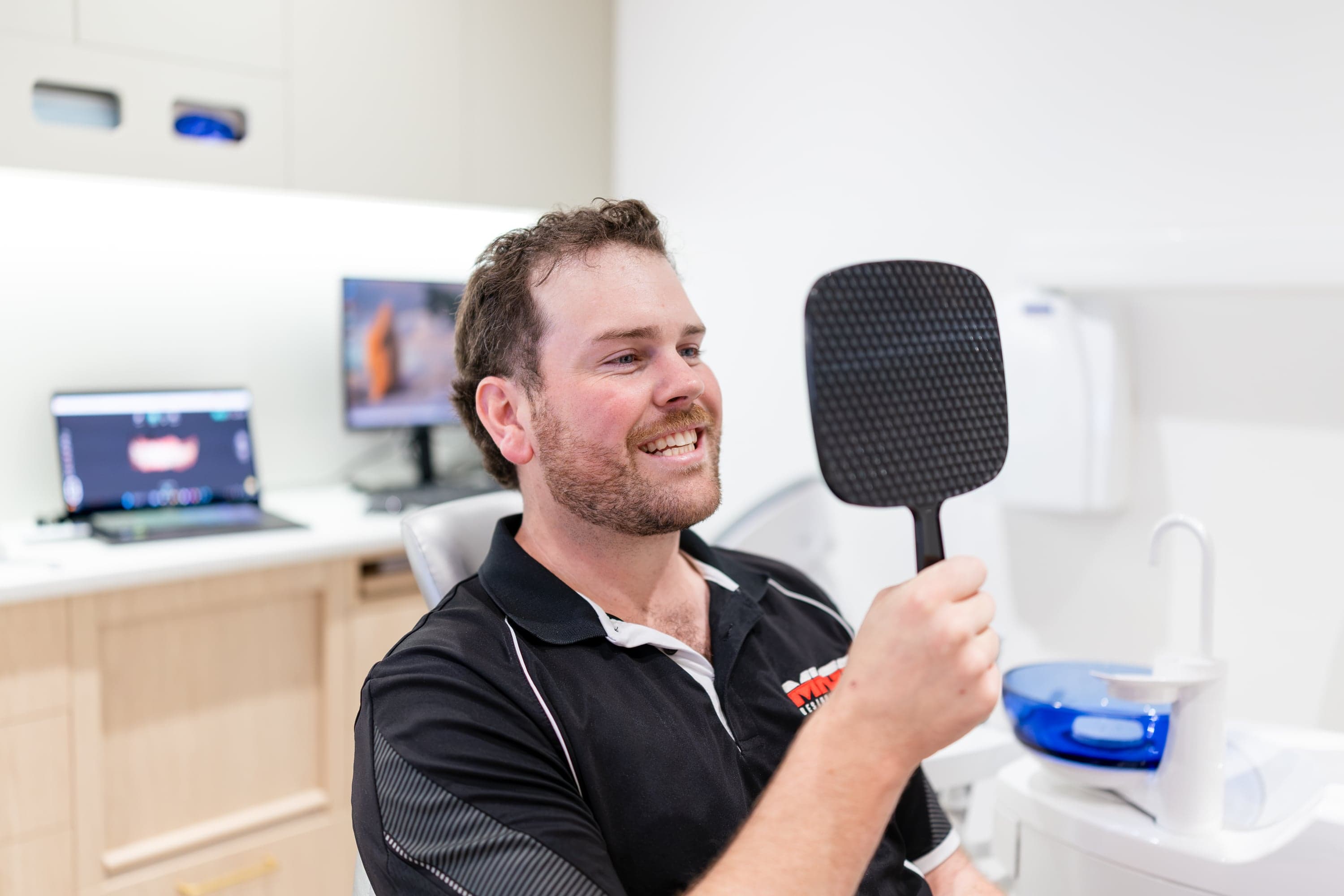
Your dentist removes the temporary, tries in the permanent crown or bridge, and checks the fit, bite, and colour against the surrounding teeth. Minor adjustments are made chairside if needed. Once you and your dentist are both happy, the restoration is cemented in place. You walk out with a tooth that looks and feels like it belongs.
Treatment timelines are estimates only. Your dentist will provide a personalised timeline based on your clinical situation.
Crowns and bridges are precision work. Every restoration is milled to fit you — and built to last.


06 / Cost guide
Dental crowns are $1,599. Dental bridges typically range from $3,000–$5,000 for a three-unit traditional bridge. Your dentist will provide a written quote at your consultation — no surprises on the day.
$1,599
What’s included
From $3,000 – $5,000
What’s included
All costs are indicative only and may vary based on material choice, clinical complexity, and laboratory fees. A written quote is provided before any treatment proceeds. Crown and bridge work at this practice is carried out by our AHPRA-registered dentists.
Crowns and bridges typically fall under the major dental category of most health funds. Rebates vary by fund and level of cover, and your dental team can process eligible claims on the spot with HICAPS. Payment plans are also available.
07 / Which is right for you?
Choose a crown when the natural tooth root is still present but the crown is damaged; choose a bridge when the tooth is fully missing and the adjacent teeth are healthy enough to serve as anchors.
Real questions from patients in Joyner, Warner, Strathpine, and surrounding areas — answered by your dental team.
Any surgical or invasive procedure carries risks. Before proceeding, you should seek a second opinion from an appropriately qualified health practitioner.
Come in, have a chat with your dental team, and find out what is involved — before you decide anything. Your consultation includes a digital scan, clinical photographs, and a written treatment plan with costs.


