Invisalign & Clear Aligners
Invisalign in Joyner — Your Teeth Move, Nobody Notices
Clear aligners shift your teeth into a new position over a series of months — discreetly, removably, and planned digitally before a single tray is manufactured. Your dental team at Joyner Family Dental maps every stage of movement using ClinCheck software, so you see the planned result before you commit. Serving Joyner, Warner, Cashmere, Strathpine, and the Moreton Bay region.


You have been thinking about this
It Starts with the Thing You Notice Every Time You Smile
Clear aligners straighten teeth through a series of custom-made plastic trays, each shifting your teeth a fraction of a millimetre per stage — no brackets, no wires, no adjustment appointments. Maybe you cover your teeth in photos. Maybe you have trained yourself to smile with your lips closed, or you laugh behind your hand without thinking about it. The crowding or the gap has been there for years — long enough that you have considered braces more than once and talked yourself out of it every time.
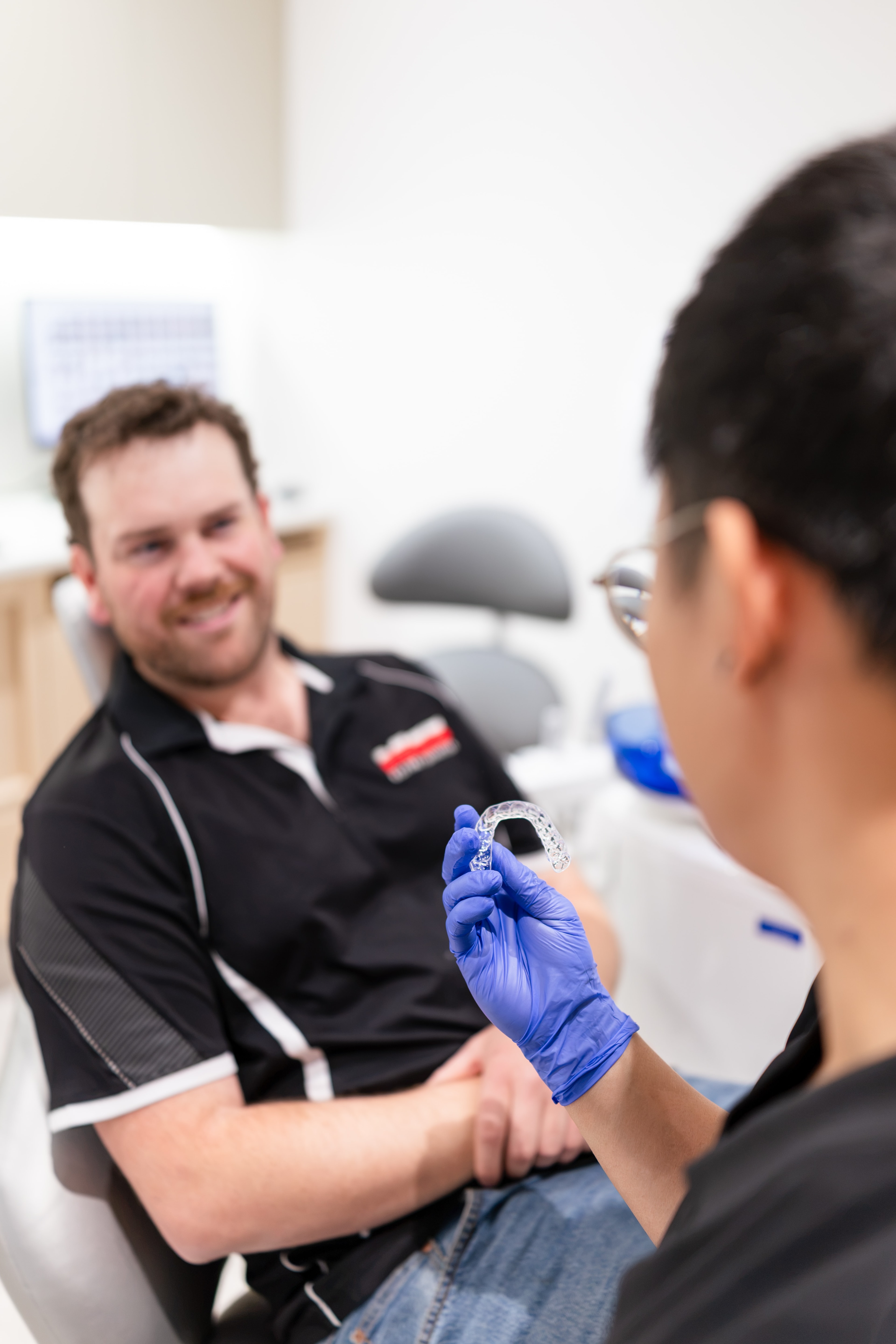
Clear aligners work differently. There are no brackets cemented to your teeth, no wires tightened every month, and no dietary restrictions for the duration of treatment. You wear a series of custom-made trays — each one a precise step in a digitally planned sequence — and you take them out to eat, brush, and floss. Most people around you will not notice them at all.
For patients seeking a more instant transformation, porcelain veneers or a smile makeover can be combined with Invisalign for a comprehensive result. Flexible payment options are available to help spread the cost of treatment.
Wondering If Clear Aligners Suit Your Teeth?
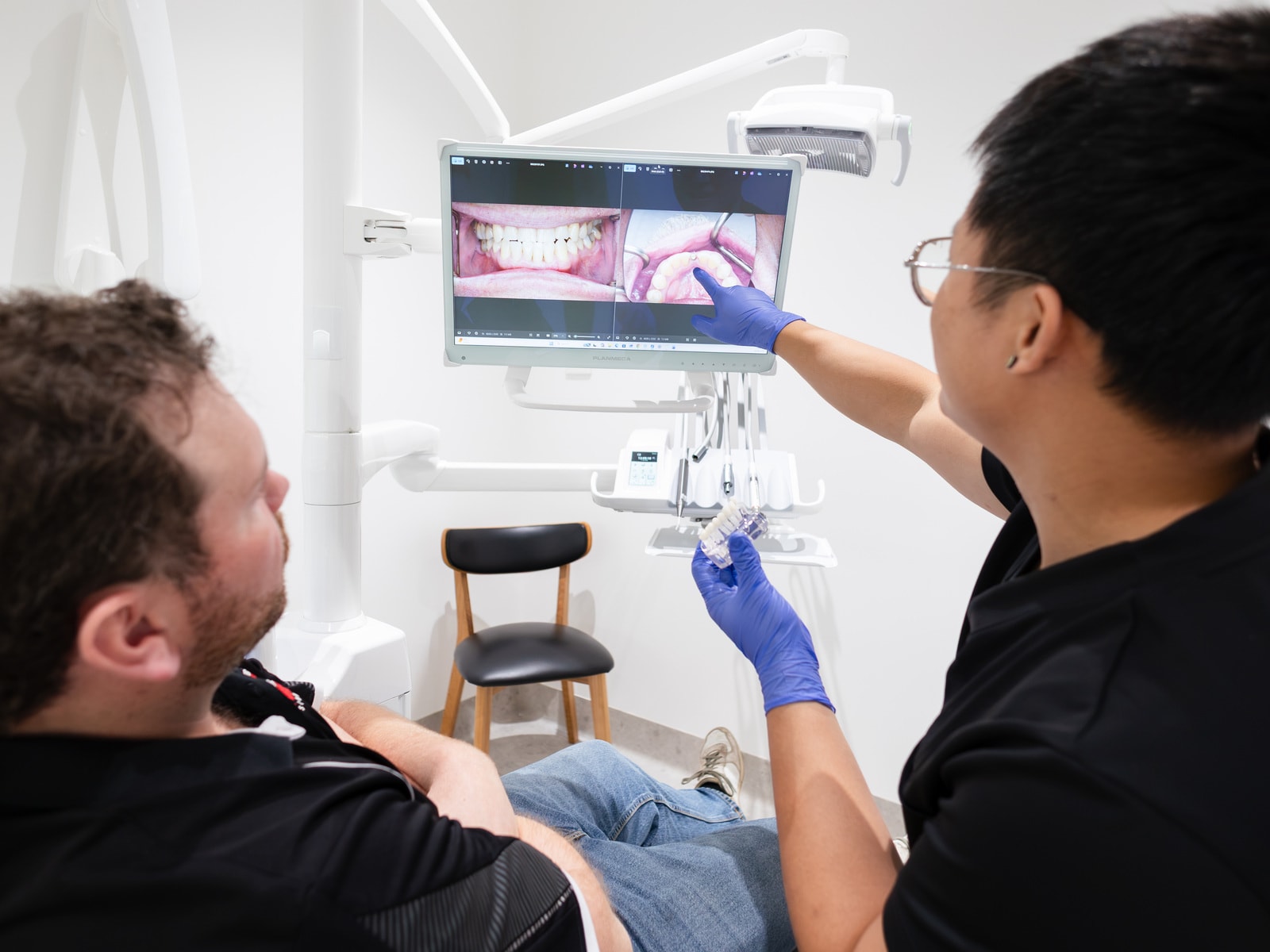
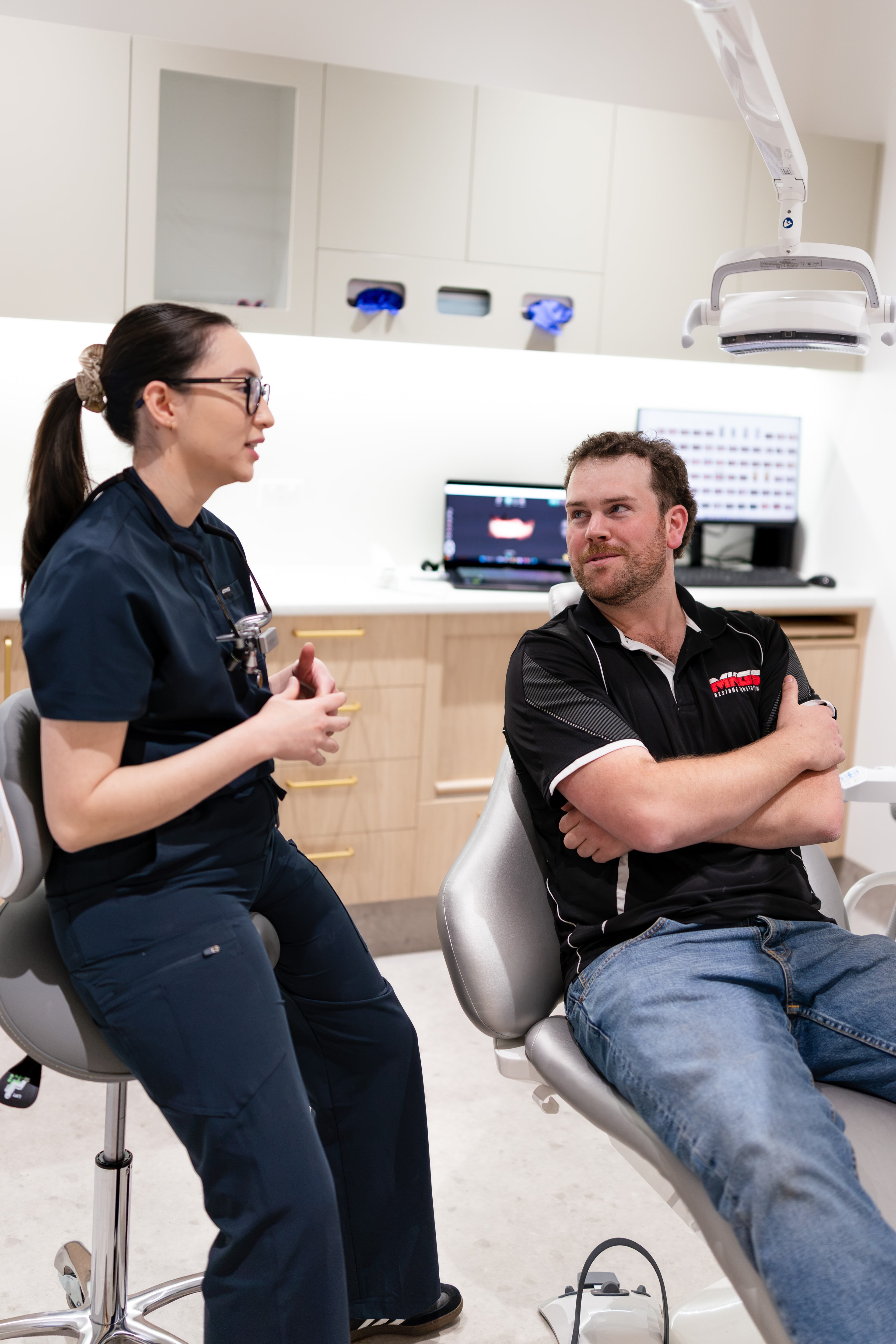
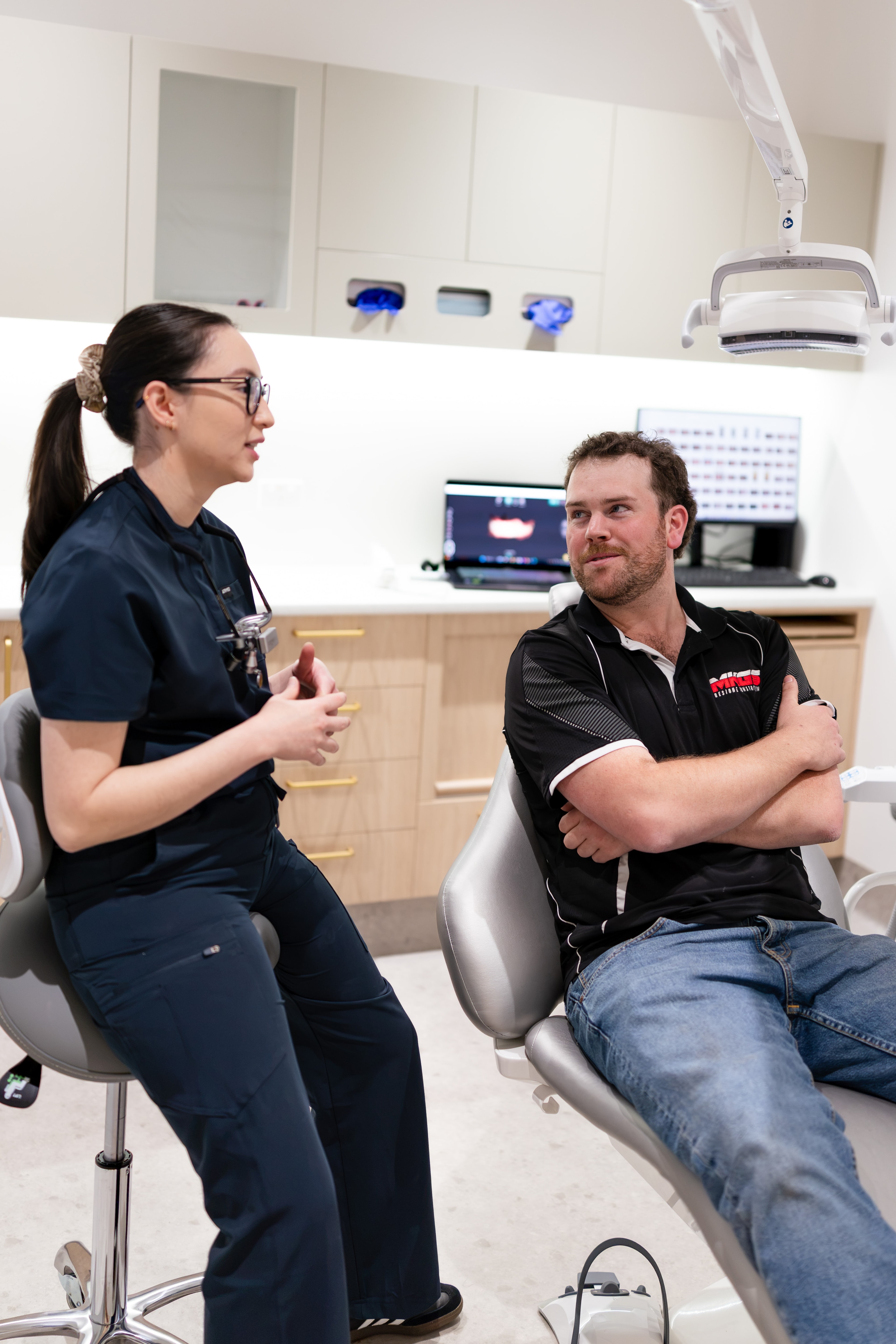
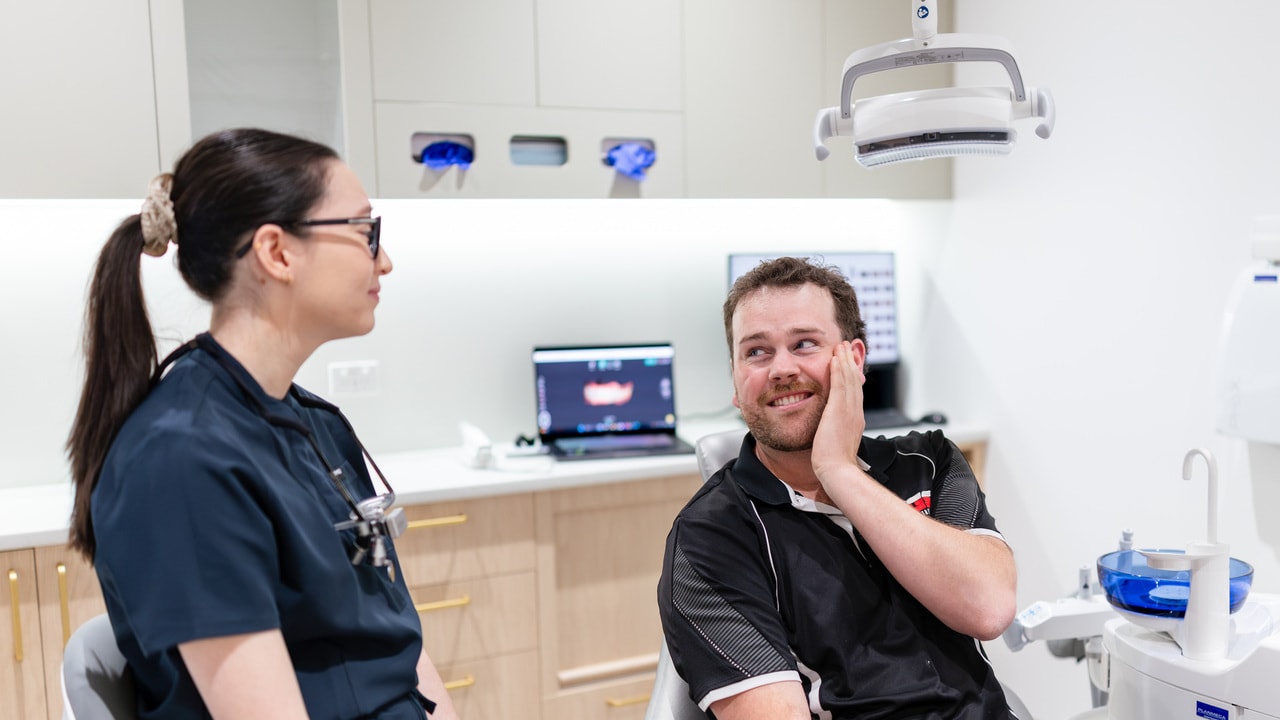
An Invisalign assessment takes about thirty minutes. Your dentist examines your teeth and bite, takes a digital scan, and gives you an honest answer about whether clear aligners are the right approach — with no obligation to proceed on the day.
Your treatment timeline
What Happens at Each Stage
Assessment and Digital Scan
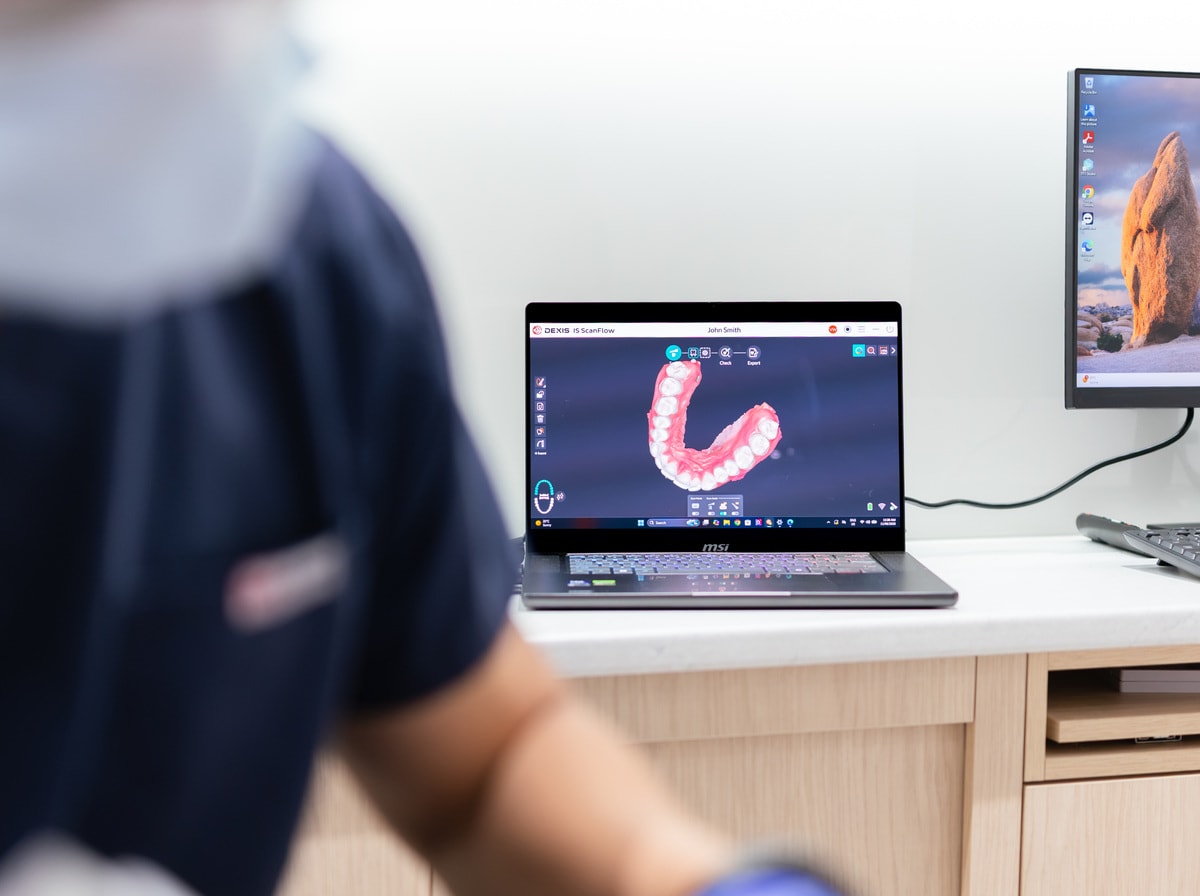
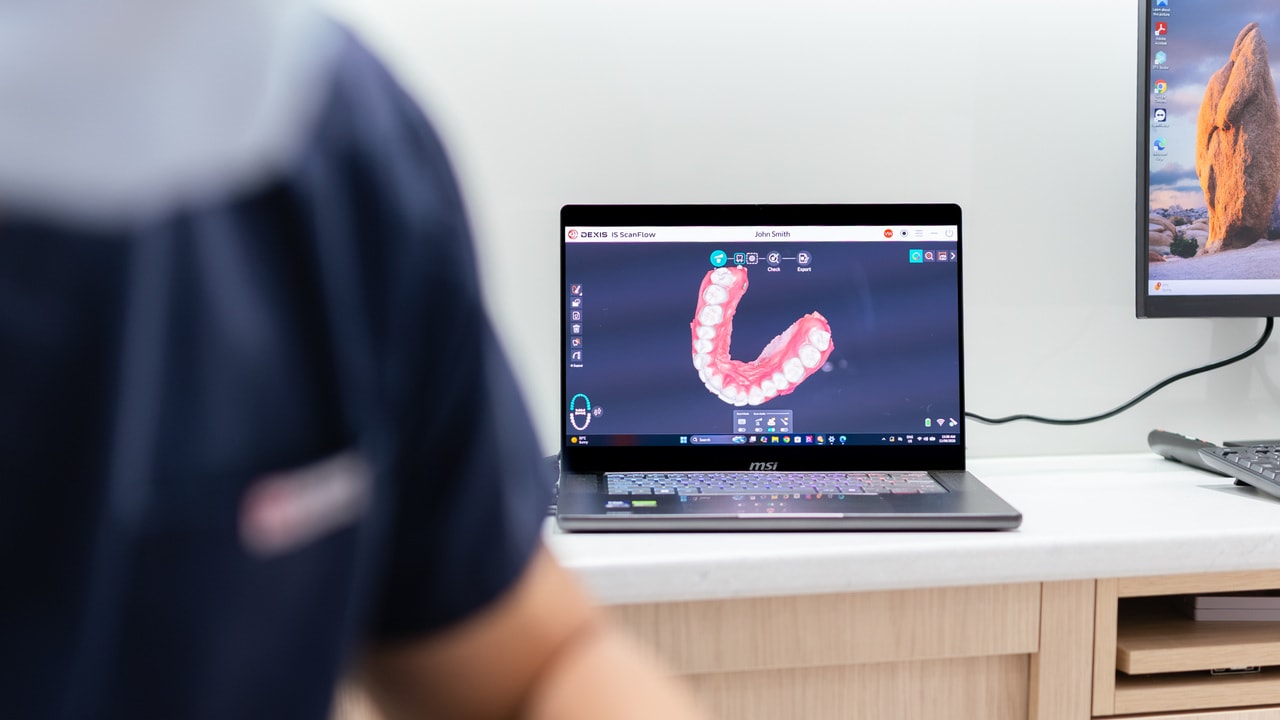
Your first appointment is a clinical assessment — your dentist checks your teeth, gums, and bite to determine whether clear aligners are appropriate for your situation. If they are, a Trios digital scan captures a precise 3D model of your mouth. If aligners are not the right approach, your dentist will explain why and discuss alternatives, including referral to a specialist orthodontist for complex cases.
Your Custom Plan
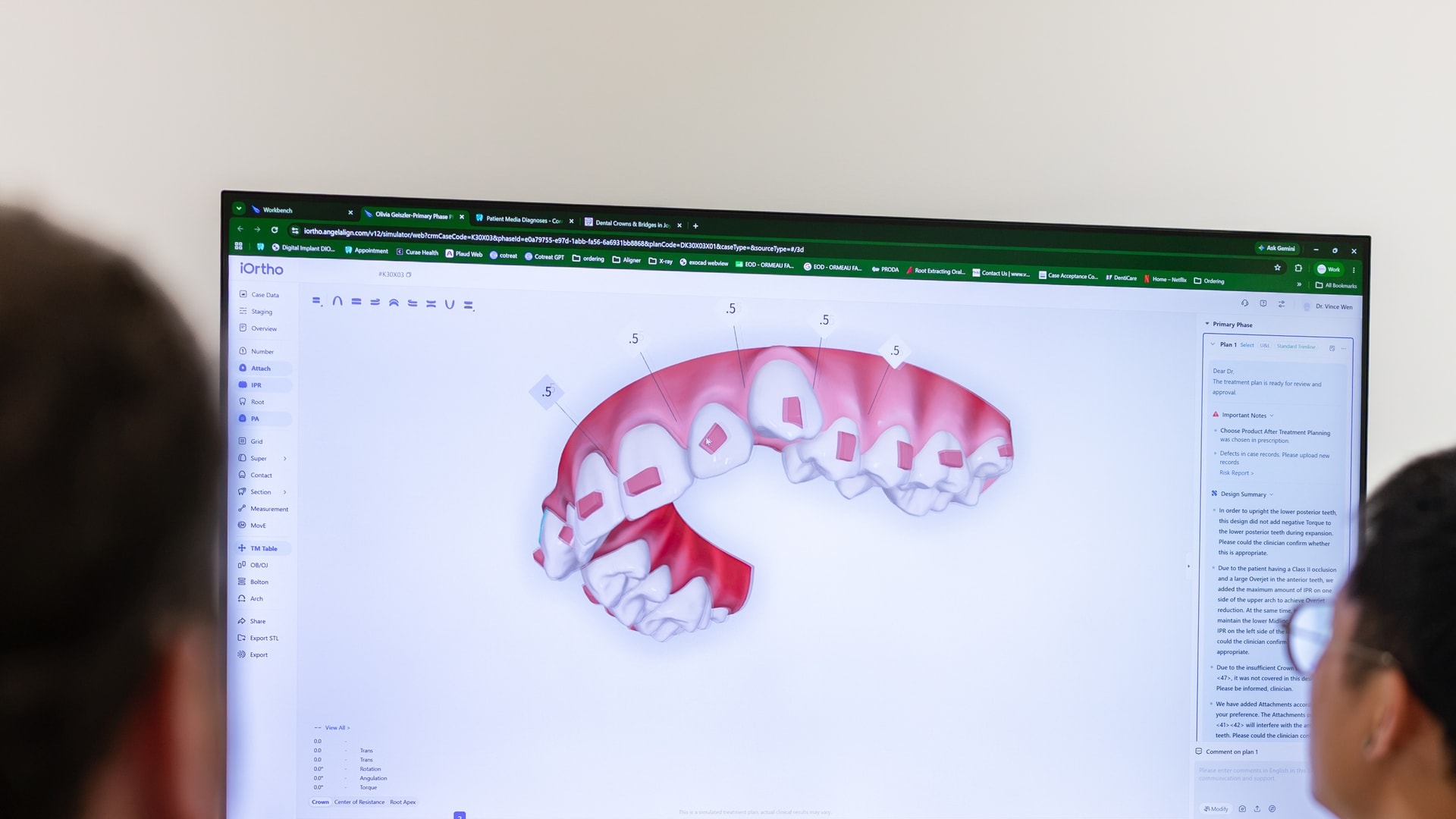
The ClinCheck simulation is prepared, reviewed, and refined by your dentist before being presented to you. You see every stage of tooth movement on screen — the starting position, the intermediate stages, and the projected final result. Treatment duration, number of aligners, and a transparent cost breakdown are discussed at this appointment. You take the information home if you need time to decide.
Wearing Your Aligners
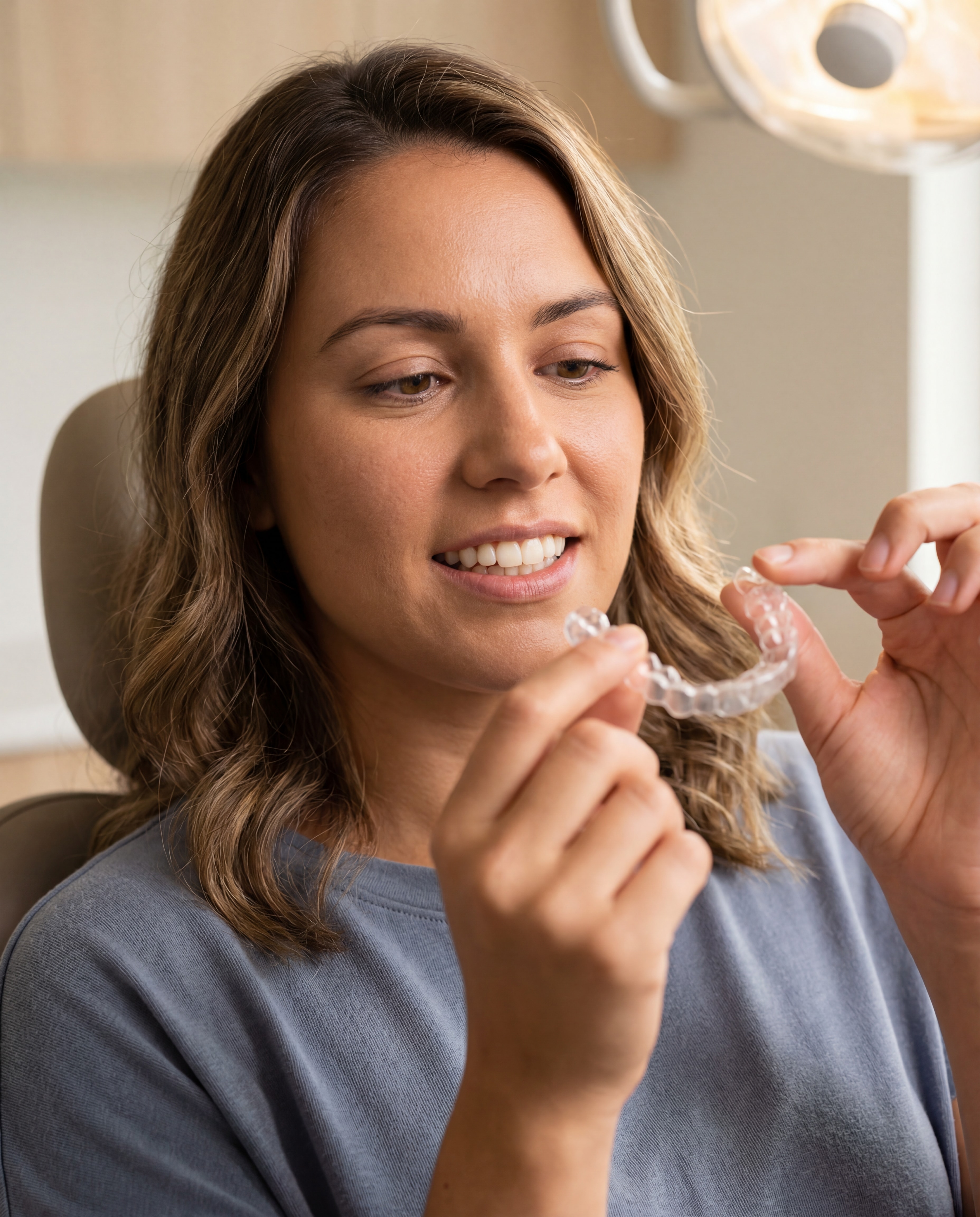
Your aligners arrive precision-manufactured in a complete series. You wear each set for one to two weeks, removing them only to eat, drink anything other than water, and brush your teeth. Most patients describe the pressure as mild tightness for the first day or two of each new tray — it eases as your teeth settle into position. Progress check appointments are scheduled every six to eight weeks.
Retainers and Maintenance
When your final aligner has done its work, a retainer holds your teeth in their new position. Initially worn full-time for the first month, then gradually reduced to nighttime wear. Retainers are the preservation phase of your treatment — skipping them risks your teeth drifting back toward their original position. Your dentist provides a retainer schedule tailored to your case.


Is it right for you?
Clear Aligners Work Well for Many People — But Not Everyone
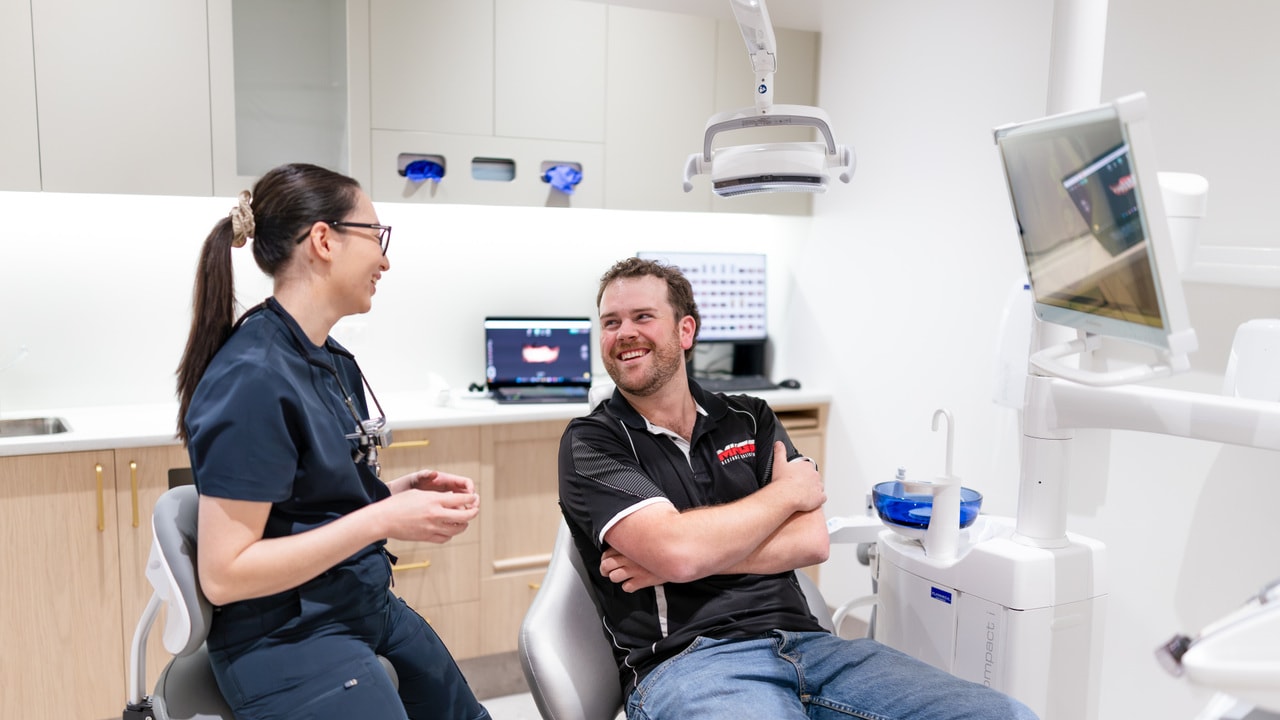
Clear aligners suit mild to moderate crowding, spacing, and bite concerns in adults and mature teens — but are not appropriate for severe malocclusion, active gum disease, or patients who cannot commit to 20–22 hours of wear per day. If they are not, your dentist will explain why and recommend an alternative — including referral to a specialist orthodontist when the case requires it.
Good candidates for clear aligners
- Mild to moderate crowding where teeth overlap or sit unevenly
- Spacing between teeth that you would like closed
- Minor bite concerns such as mild overbite or crossbite
- Adults and mature teens with fully developed jaws
- Patients with healthy teeth and gums (no active decay or gum disease)
- Patients who can commit to wearing aligners 20 to 22 hours per day
May need a different approach
- Severe crowding or complex skeletal bite issues — these often require traditional braces or surgical orthodontics
- Active gum disease or untreated cavities — these should be addressed before orthodontic treatment begins
- Patients who may find it difficult to wear aligners consistently — compliance is essential for clear aligners to work
- Very young patients whose jaws are still developing — timing matters, and your dentist will advise when treatment is appropriate
Making a decision
Invisalign vs Braces — A Fair Comparison
Both clear aligners and traditional braces straighten teeth effectively. The right choice depends on the complexity of your case, your lifestyle, and how you feel about compliance. Here is a straightforward comparison — including the areas where braces have the advantage.
Appearance
Comfort
Removability
Food restrictions
Oral hygiene
Average treatment time
Compliance required
Complex cases
Cost range (AUD)
Success rate
Treatment costs
What Your Treatment Costs — With Nothing Hidden
Invisalign Lite cases (mild alignment, up to 14 aligners) start from $3,500; Comprehensive cases (unlimited aligners, dual-arch correction) start from $6,500. The fee covers everything listed below — there are no surprise charges added during treatment.
Lite
Mild alignment — minor crowding, small gaps, or single-arch correction
$3,500 – $5,000
Up to 14 aligners
- Initial consultation and digital scan
- ClinCheck simulation and planning
- All aligners in the treatment sequence
- Progress check appointments
- One set of refinement aligners if needed
- Retainers at completion
Comprehensive
Moderate to complex alignment — significant crowding, spacing, or bite correction across both arches
$6,500 – $9,000
Unlimited aligners within the treatment plan
- Initial consultation and digital scan
- ClinCheck simulation and planning
- All aligners — including additional sets if the plan is adjusted
- All progress check appointments for the duration of treatment
- Refinement aligners as needed to fine-tune the result
- Retainers at completion
Fees are indicative and may vary based on individual treatment complexity. A precise quote is provided at your planning appointment after clinical assessment. Health fund rebates depend on your level of cover and fund rules — check directly with your provider. Payment arrangements are available to help spread the cost of treatment. All Invisalign treatment at this practice is provided by AHPRA-registered dentists.
Common questions
Questions Real Patients Ask Before Starting
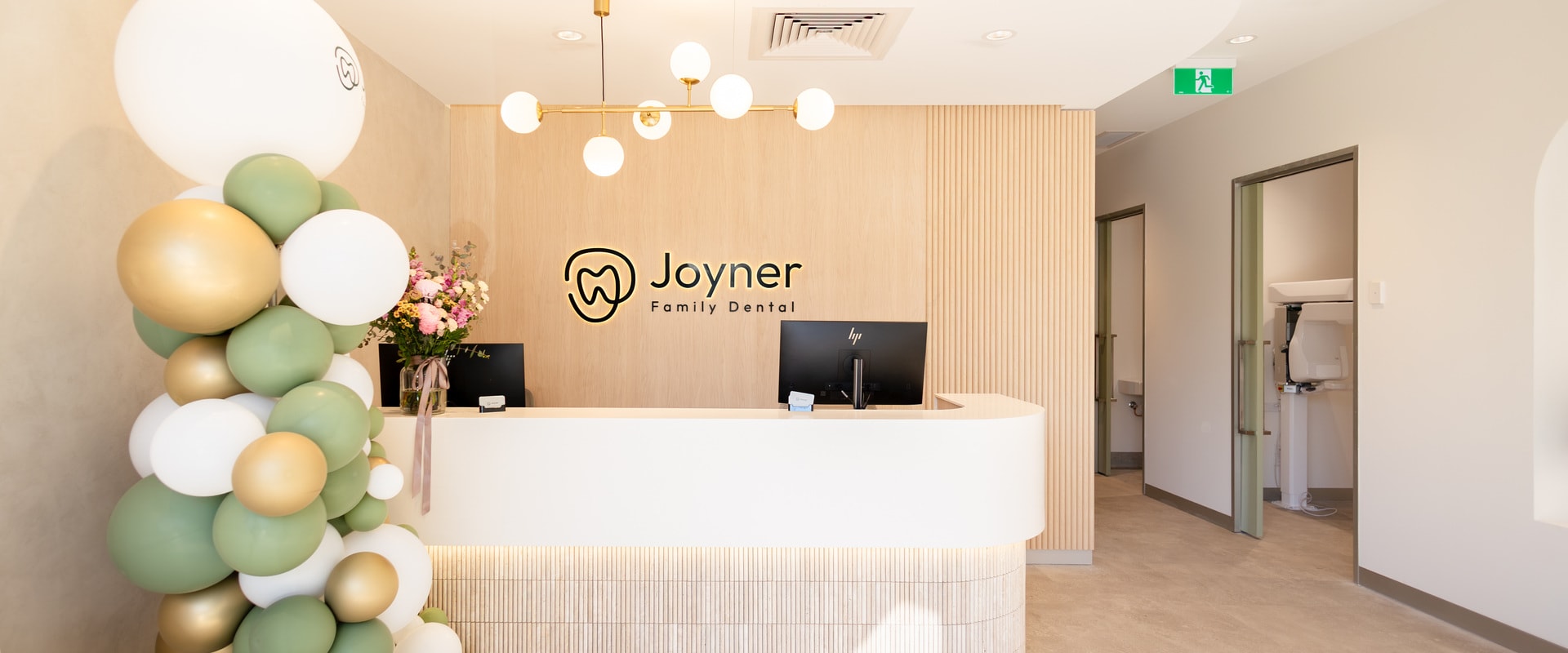
Find Out If Clear Aligners Suit Your Teeth
Your first visit is a conversation about what is possible — not a commitment to proceed. Your dentist assesses your teeth, takes a digital scan if appropriate, and gives you an honest answer about whether clear aligners are the right approach. You leave with information, not pressure.